Manager Behaviors That Increase Wellbeing at Work
Andy Nadal
Author
Workplace wellbeing isn't built by meditation apps, free snacks, or a once-a-year survey. It's shaped in the daily grind, by what managers do when work gets mes...
Workplace wellbeing isn't built by meditation apps, free snacks, or a once-a-year survey. It's shaped in the daily grind, by what managers do when work gets messy.
In plain terms, employee wellbeing means this: stress stays manageable, mental health doesn't get crushed, energy lasts through the week, people feel supported, and good work doesn't cost them burnout. That's the real test.
This matters more now because managers are struggling too. Recent reporting shows only 27% of managers are engaged at work, and many feel burned out or unsure in the role. When the people setting the pace are running on fumes, teams feel it fast. So this article stays practical. No leadership theater. Just manager behaviors that make work feel safer, clearer, and more sustainable.
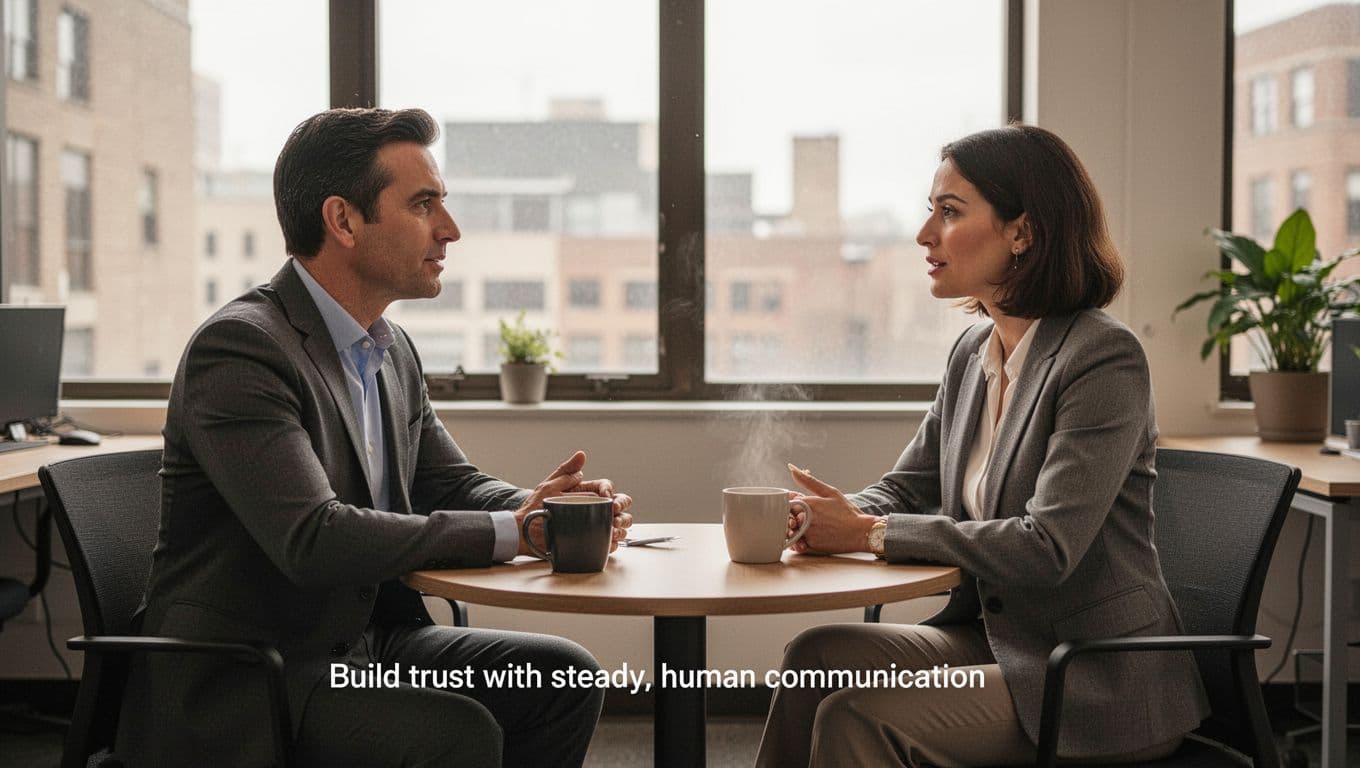
Build trust with steady, human communication
Trust is not a speech. It's a pattern.
People decide whether work feels safe by reading signals. Does the manager notice strain? Do they respond without drama? Do they go silent until something breaks? The best managers don't wait for annual reviews to act. They keep contact steady, human, and boring in the best way.
That lines up with Gallup's manager behavior research, which keeps pointing to the same truth: teams do better when managers stay close to real work and real people.
Hold regular check-ins before stress turns into burnout
A weekly one-on-one is not admin. It's early warning.
When managers check in often, they spot overload before it hardens into burnout. That means asking about more than progress. Ask what feels heavy. Ask what's stuck. Ask where energy is dropping. Ask what support would actually help this week.
Short beats work better than grand interventions. Fifteen focused minutes can surface a deadline problem, a conflict, or creeping exhaustion. Left alone, those issues grow teeth.
Good check-ins also reduce guesswork. Employees don't have to decide whether a problem is "serious enough" to mention. The space already exists. That's the point.
Listen in a way that makes people feel safe to speak up
Listening isn't nodding while waiting to talk. It's making it safe for the other person to tell the truth.
That means open questions, no interruptions, and no instant blame. It also means resisting the cheap fix. Sometimes an employee needs help solving a problem. Other times they need the manager to hear the signal clearly before jumping in.
Psychological safety sounds soft. It isn't. It's an operating condition. Teams need it to admit mistakes, raise risks, and offer ideas before damage spreads. Strong quality check-ins can improve psychological safety because they lower fear and increase candor.
A manager sets the tone fast. If bad news gets punished, people hide it. If concern gets brushed off, people shut up. If honesty gets met with curiosity and follow-through, trust grows. Quietly. Repeatedly. That's how teams stay steady under pressure.
Reduce stress by making work feel clear and manageable
A lot of workplace stress isn't personal weakness. It's bad design.
People burn energy when priorities keep shifting, deadlines collide, and success stays fuzzy. Chaos feels urgent, but it's mostly friction. Good managers cut that friction. They make work legible.
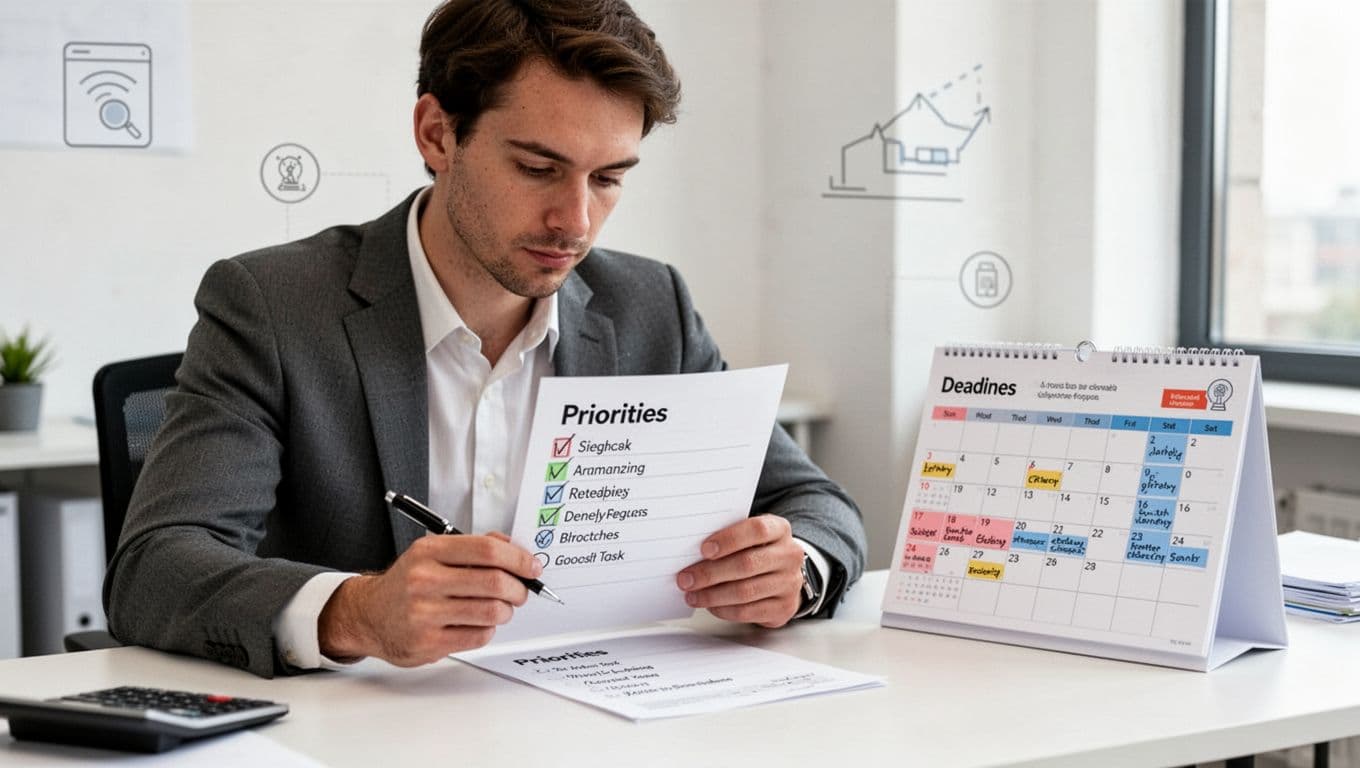
Set clear priorities so everything doesn't feel urgent
When everything is top priority, nothing is.
Managers reduce anxiety by naming what matters most now, what can wait, and what "done well" looks like. That sounds obvious. Still, many teams live inside mixed signals. One leader wants speed. Another wants polish. A third adds surprise work on Friday and calls it normal.
Clarity is a form of care. It helps people focus instead of spinning.
A simple rule helps: rank the work in public. Say which project wins if time runs short. Say which meeting can be skipped. Say what trade-off you're making. Employees shouldn't have to decode the boss's mood to know where to aim. Practical advice on managing multiple priorities without burnout makes the same point: pressure gets worse when priorities stay vague.
Burnout rarely starts with one bad day. It starts with too many unclear ones.
Match workloads to real capacity, not wishful thinking
Workload planning fails when managers confuse hope with capacity.
A person may be talented, fast, and committed. That doesn't make them infinite. Good managers watch for signs of overload: slower response times, lower quality, more errors, missed follow-ups, flat energy. Then they act.
Action can mean re-scoping a project. It can mean shifting work across the team. It can mean pushing back on a deadline that never made sense. That's not weakness. It's management.
The latest reporting makes this plain. Fewer employees say they know what's expected of them, and many describe work as chaotic. So preventing burnout isn't extra credit. It's part of the job. If the pace breaks people, the plan was bad. Simple as that.
Give people more control and support at the same time
Wellbeing improves when people have room to move. It also improves when they know backup exists.
Too much control from above creates learned helplessness. Too little support creates anxiety. The sweet spot sits in the middle: clear goals, real autonomy, strong cover.

Give employees room to decide how to do their best work
Autonomy is not the absence of management. It's the absence of needless control.
Employees usually feel better when they can shape how work gets done. That may mean choosing the order of tasks, solving problems in their own way, or having some say over where and when focused work happens. Control lowers stress because it gives people a sense of agency.
Still, freedom without direction is just drift. Managers need to set the target, then stop micromanaging the route. Recent writing on workplace autonomy and performance echoes this balance: people do better when they have both clarity and choice.
Back people up when challenges, mistakes, or hard calls come up
Support shows up most clearly when something goes wrong.
Maybe an employee made a call that didn't land. Maybe a client changed scope. Maybe a process failed. In those moments, weak managers look for blame. Strong ones look for recovery.
Backing people up can mean coaching them through a mistake, removing a blocker, joining a hard conversation, or helping reset expectations with another team. That kind of support lowers fear. It also raises accountability, because employees don't have to waste energy on self-protection.
Autonomy without support feels like being sent into traffic with no brakes. Support without autonomy feels like being carried like a child. Neither builds wellbeing. Adults need both: space to act, and a manager who doesn't disappear when things get difficult.
Model healthy habits so wellbeing feels real, not performative
Teams copy what leaders normalize. Not what posters say. Not what values pages claim.
If a manager talks about balance but answers messages at midnight, the real policy is midnight. If they praise time off but never take it, the real rule is presence at all costs. People watch behavior because behavior tells the truth.

Show healthy boundaries around time, breaks, and availability
Managers set the emotional weather of a team. Therefore, their habits matter.
Take breaks. Use vacation. Avoid flooding the team with late-night messages. Respect off-hours unless something is truly urgent. When boundaries are visible, employees stop feeling like they must stay half-on all the time. Guidance on setting boundaries at work reinforces the same principle: limits protect energy, focus, and health.
This isn't about being soft on output. It's about protecting the system that produces output.
Treat wellbeing as an ongoing part of performance, not a side topic
Wellbeing is not separate from results. It's one of the inputs.
Recent reporting links stronger manager quality and better wellbeing efforts to higher productivity and better retention. Manager behavior drives most of a team's engagement, and engaged employees are far more likely to stay. On the other side, disengaged workers are less productive and more likely to leave.
So the smart manager doesn't treat wellbeing like a wellness month campaign. They bake it into how work runs every week: pace, clarity, support, recovery. That's not image management. That's performance management with a working brain.
Conclusion
Employees may forget a policy memo. They won't forget how their manager made work feel.
The manager behaviors that increase wellbeing are not flashy. They're repeatable. Regular check-ins. Real listening. Clear priorities. Fair workloads. Autonomy with support. Healthy boundaries that show, not just tell. Put together, those habits turn work from a stress machine into something people can actually sustain.
The big takeaway is simple: small actions, repeated often, shape wellbeing more than any perk ever will. If managers want better performance, better retention, and less burnout, the place to start is the next ordinary workday. Not someday. Now.